


Hit enter to search or ESC to close



Welcome from our Centre Manager
Liz Jones
Kia ora, I’m Liz. I moved to New Zealand from the UK in 2003 and have lived in Waipu since 2007. I have four children. I started at Busy Bees (formally Small Poppies) in February 2008 and in my time here I have been a Teacher, Centre Manager and have also been the Northland Regional Manager for two years. I am very passionate about children’s learning and development and the uniqueness of each individual child. I am passionate about helping each child reach their full potential and contributing to building the next generation for a prosperous Aotearoa. I am very privileged to be working alongside whānau and tamariki.

Growing, Learning, and Caring for Our Environment
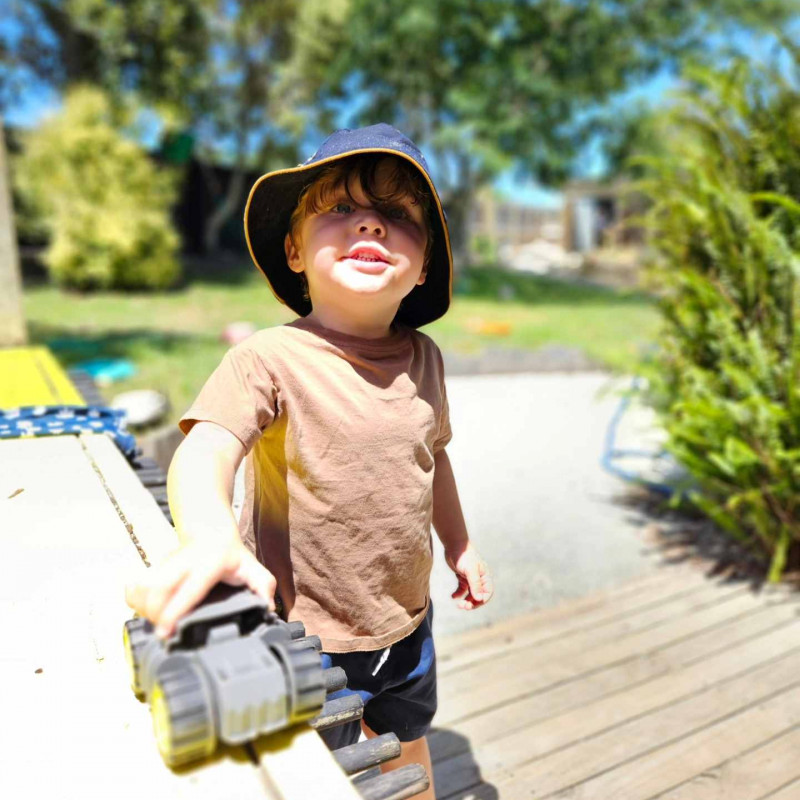
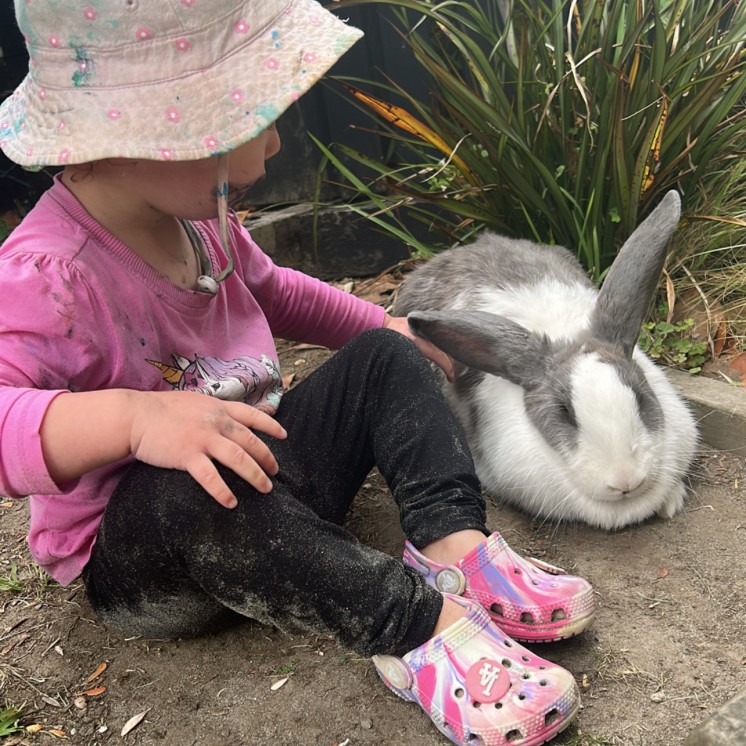
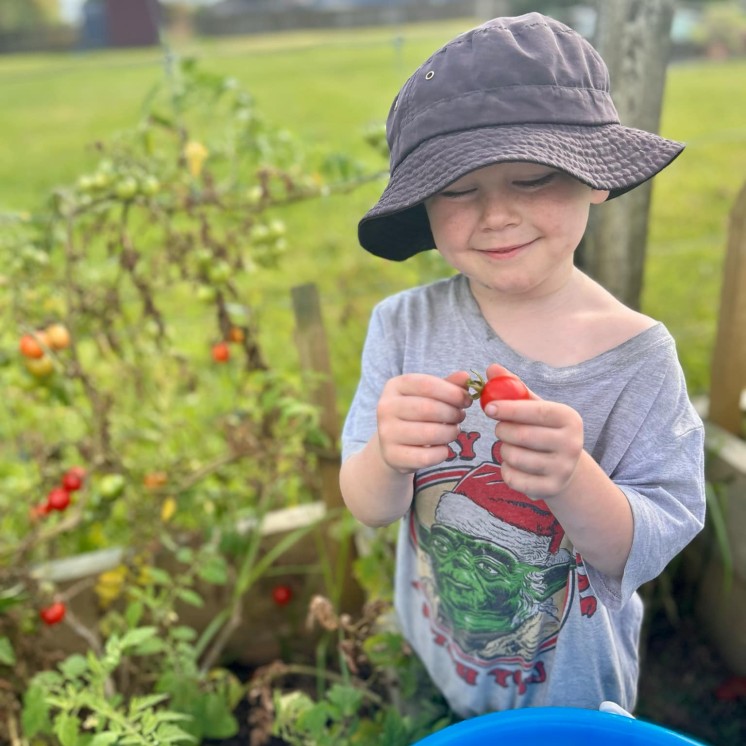
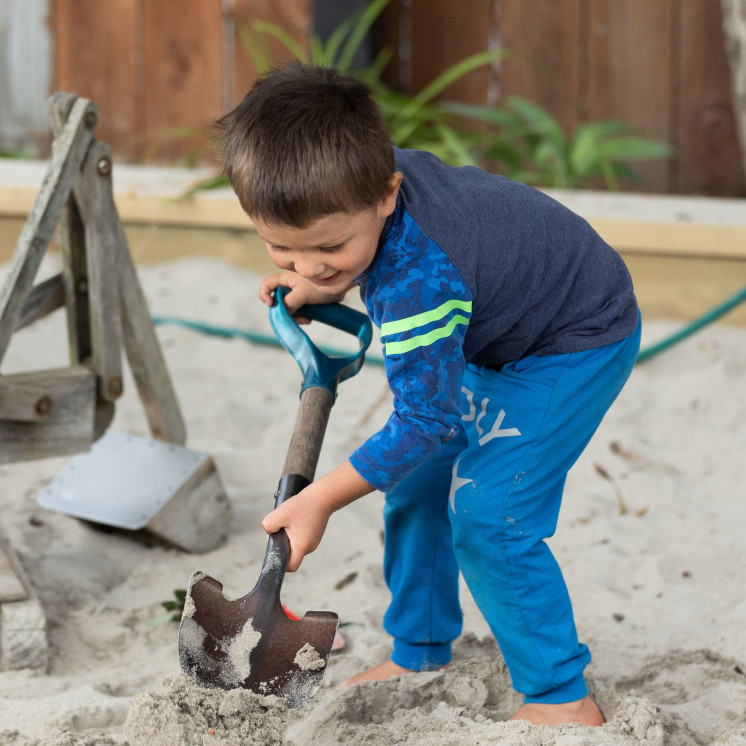
Engaging children in activities like gardening, composting, and understanding the lifecycle of plants not only promotes environmental awareness but also inspires important life skills and values.
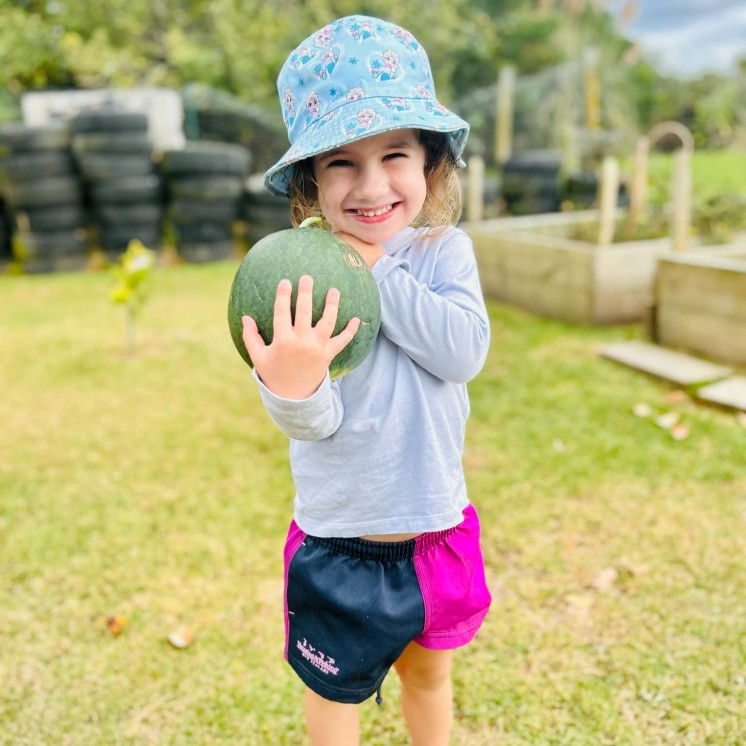
At our Ruakākā early learning centre, we incorporate the "playground to plate" experience to connect children with the food they eat and foster a deeper appreciation for where it comes from. By involving tamariki in growing and harvesting produce, kaiako not only teach children about sustainability but also encourage healthy eating habits.
Composting is another valuable practice that teaches children about the natural cycle of recycling organic matter back into the soil.
Classrooms at Our Ruakākā Childcare Centre
Our early childhood centre in Ruakākā offers two age-tailored spaces to support children at their individual learning stage.
Small Poppies (0-3 years)
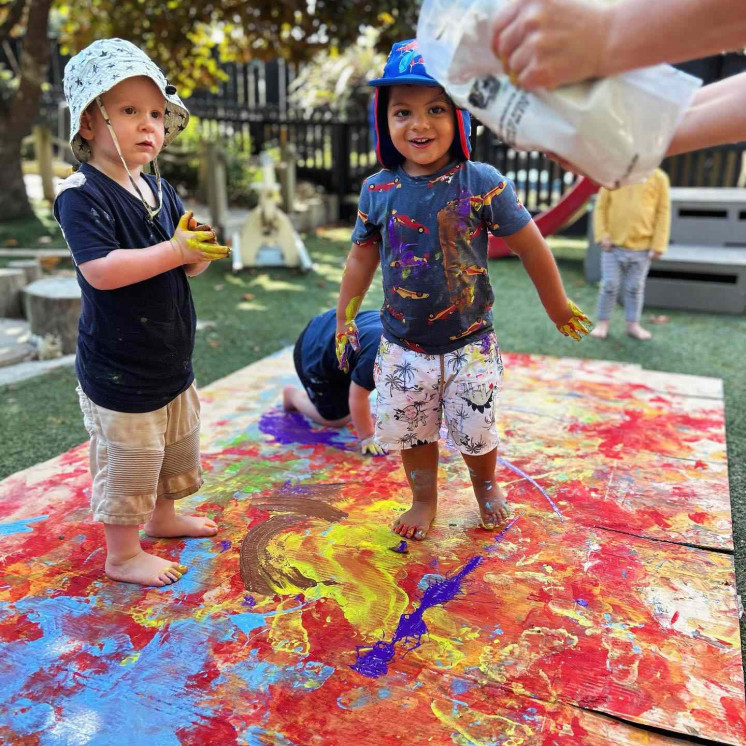
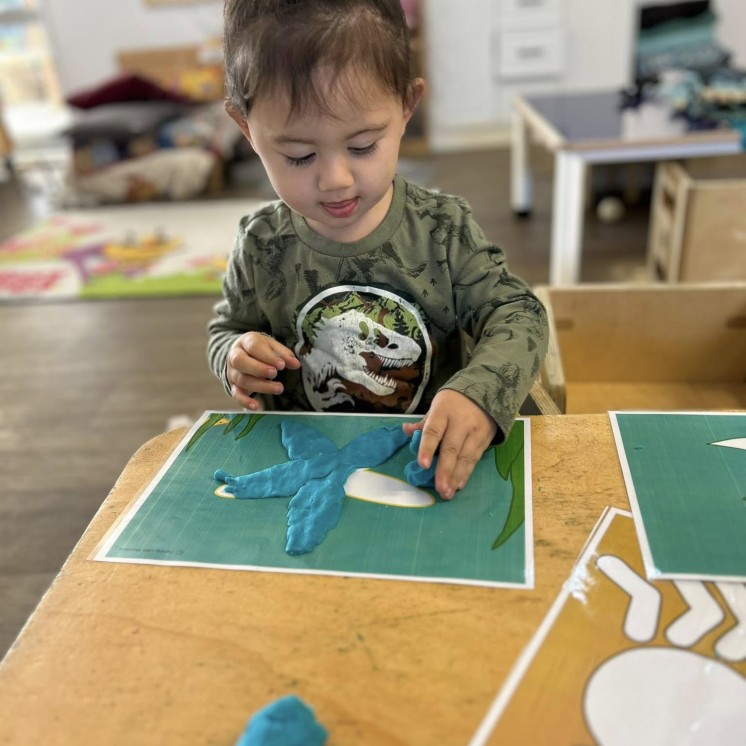
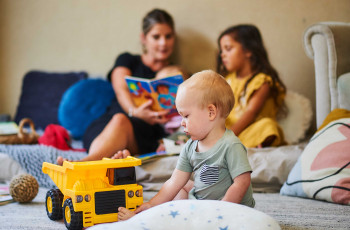
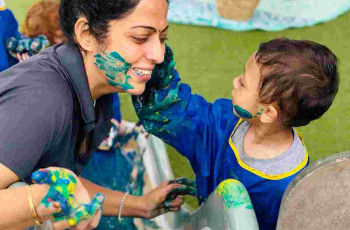
Our environment is based on building loving and trusting bonds between infants/toddlers and teachers, who structure the day according to individual needs. Teachers work closely with families to understand infant cues and develop a routine that supports children’s natural rhythms. Play is open-ended and full of fun as we embrace the unknown of how children explore and experiment with their ideas and theories of how the world around them works.
Tall Poppies (2-6 years)
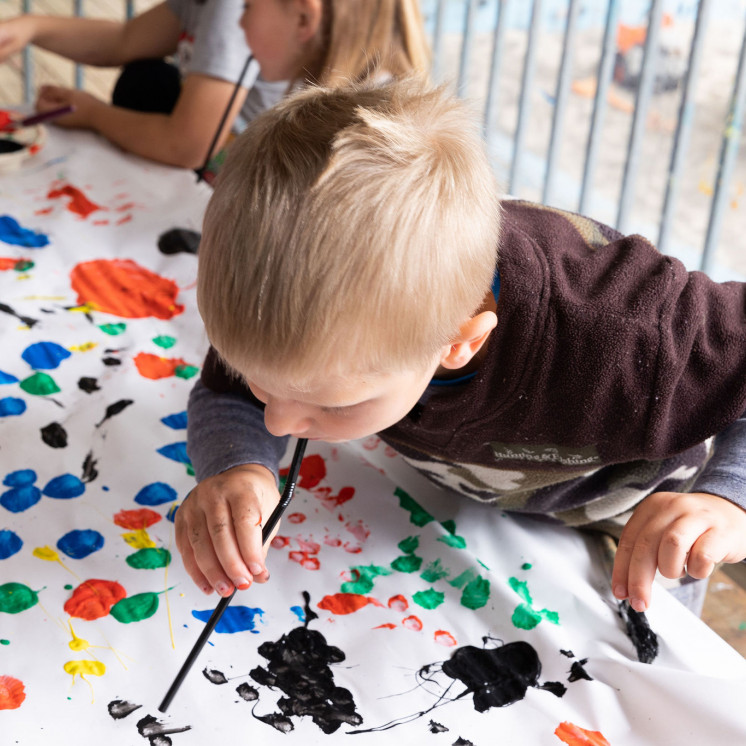
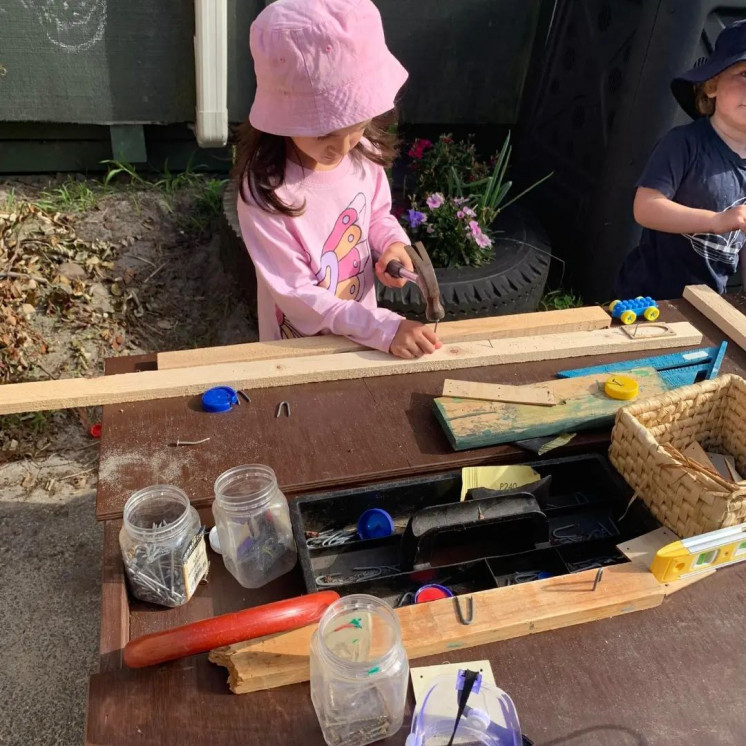
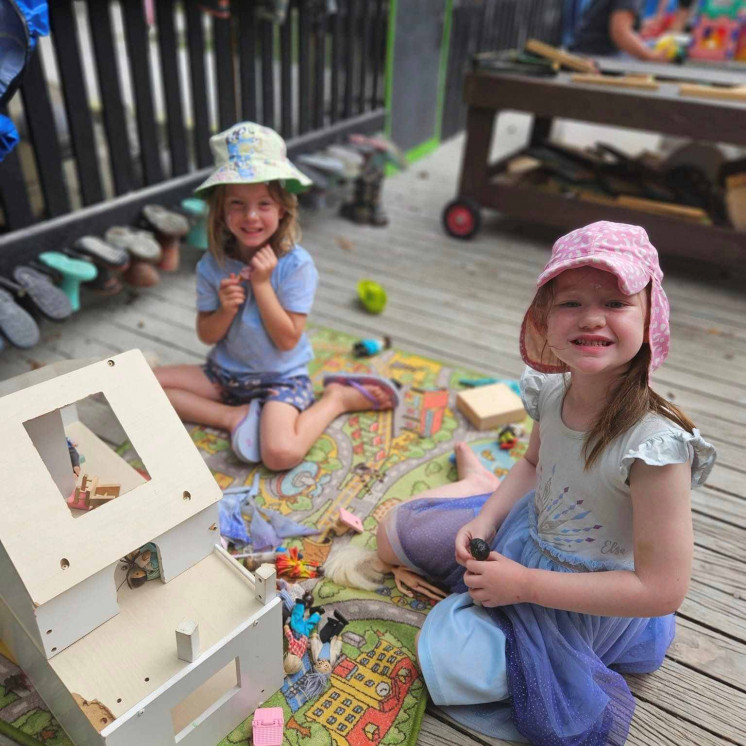
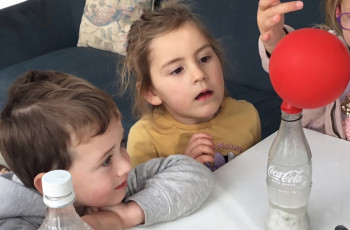
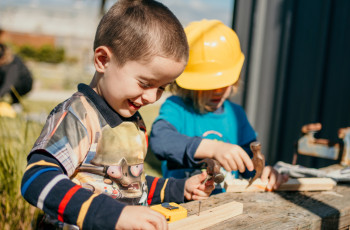
Our kaiako observe tamariki closely to identify children’s interests, and based on parent collaboration, learning provocations are set up for tamariki that are challenging, provide curiosity, and encourage active exploration. Children’s self-help skills are very important at this stage, and children are supported to go to the toilet on their own, wash their hands, dress themselves, and serve up their own kai. We value that each child learns at their own pace and when they are ready, and that play is children’s work.
Food & Nutrition
Our in-house cook provides freshly made meals for children each day using our Nourish menus and recipes. We believe that through nourishing food, children are fuelled to thrive physically and mentally, whilst enjoying the benefits of coming together, sharing, and connecting as a group at mealtimes.
Baking Programme
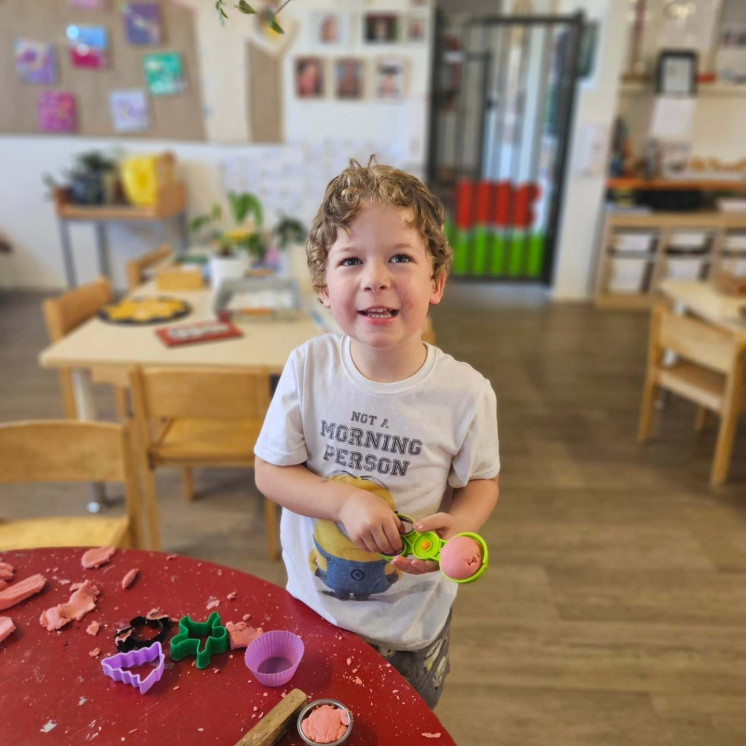
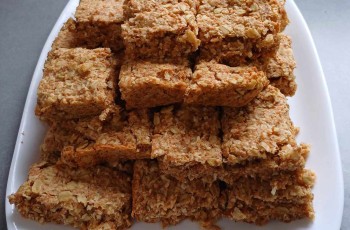
Teachers do regular baking with the children, which provides opportunities for them to engage and learn a range of food preparation skills and fine motor movements such as pouring, sifting, and spooning. It is a great hands-on sensory experience that helps children develop confidence and independence through self-help skills and practise simple maths as they measure and count quantities.
Healthy Heart Award
We are extremely proud that we have received a Whānau Tohu Manawa Ora | Healthy Heart Award from the Heart Foundation for the amazing things we do here to promote healthy food and physical activity.
Our Curriculum
We are committed to following the aspirations of the New Zealand National ECE Curriculum, Te Whāriki, “For children to grow up as competent and confident learners and communicators, healthy in mind, body and spirit, secure in their sense of belonging and in the knowledge that they make a valued contribution to society”.
Te Whāriki envisages kaiako (teachers) in early learning settings working in partnership with parents, whānau and community to realise this vision. The expectation is that, in their early years, children will experience a curriculum that empowers them as lifelong learners.
Extension Programme to Kura
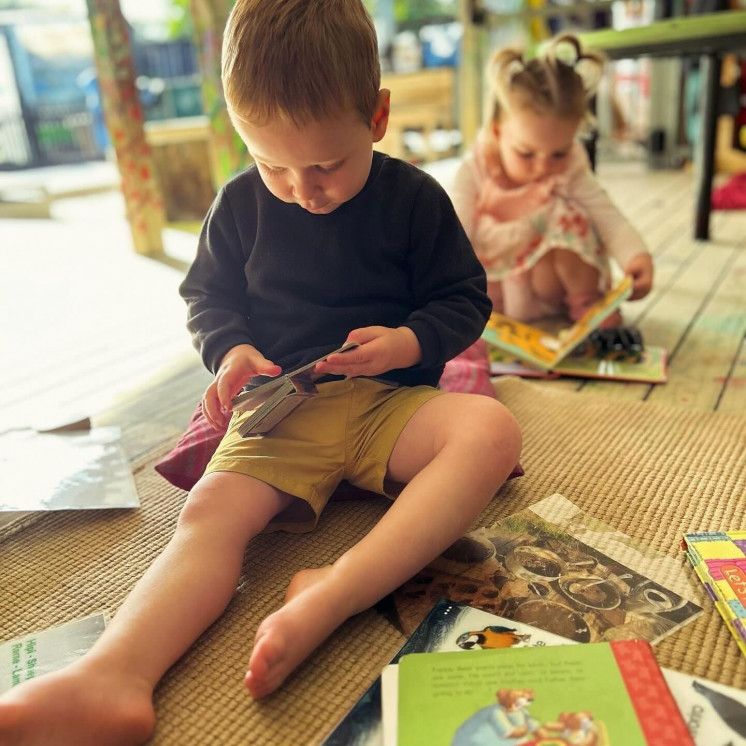
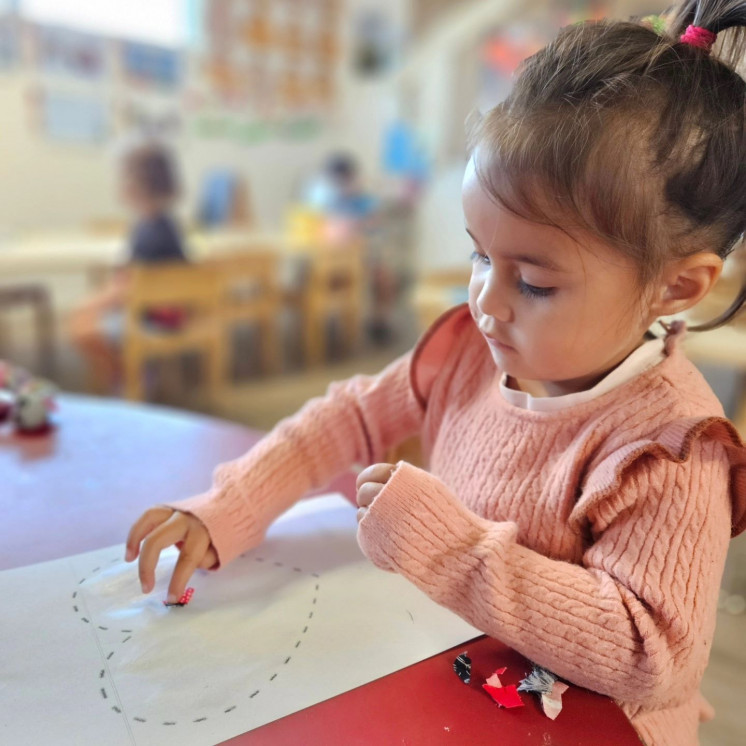
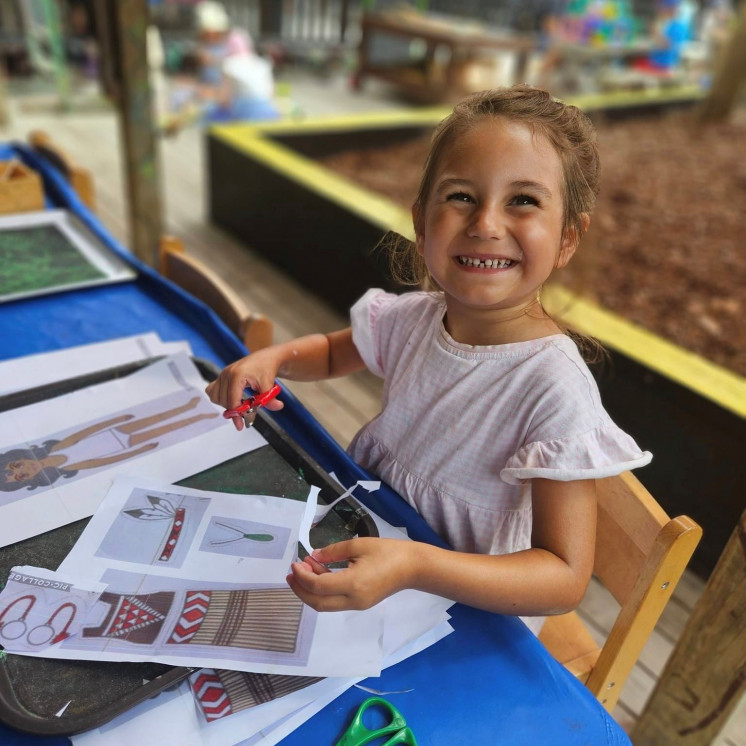
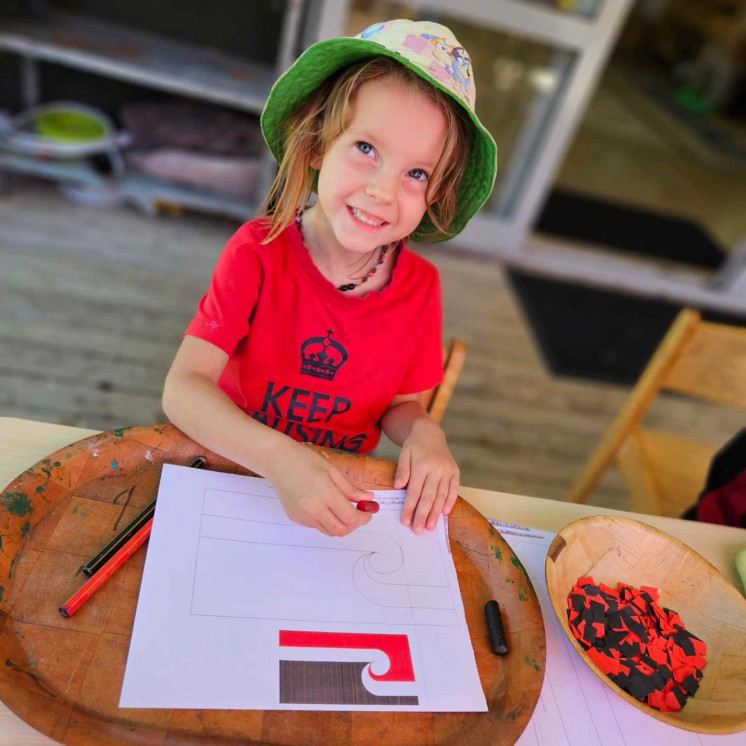
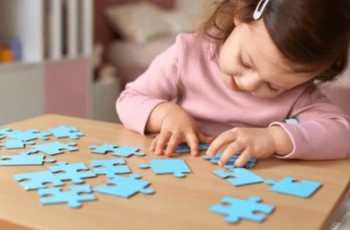
Our pathways to kura aim to further support our akoranga in their readiness for school. We work to make some aspects of school more familiar and practice the values seen within our school communities. Through consistent relationships and communication with our local kura, we can ensure our Extension Programme curriculum is current and responsive to the needs and stages of our learners. Predominant areas that we support are: self-help and regulation skills, early mathematics and literacy, name recognition, and fine/gross motor development.
Our Programmes


Bee Curious, our Busy Bees Curriculum Framework, has been created to guide and inspire kaiako in supporting tamariki through rich, interconnected learning experiences. Built on the strong foundation of Te Whāriki, it reflects the principles of Aotearoa New Zealand’s early childhood curriculum and the aspirations we hold for our children as they grow.


Nutritious food is the foundation for healthy growth and development in our children. Our Nourish menus fuel our children and support full, healthy tummies enabling clear minds to focus on the learning and set children up to thrive at our centre.
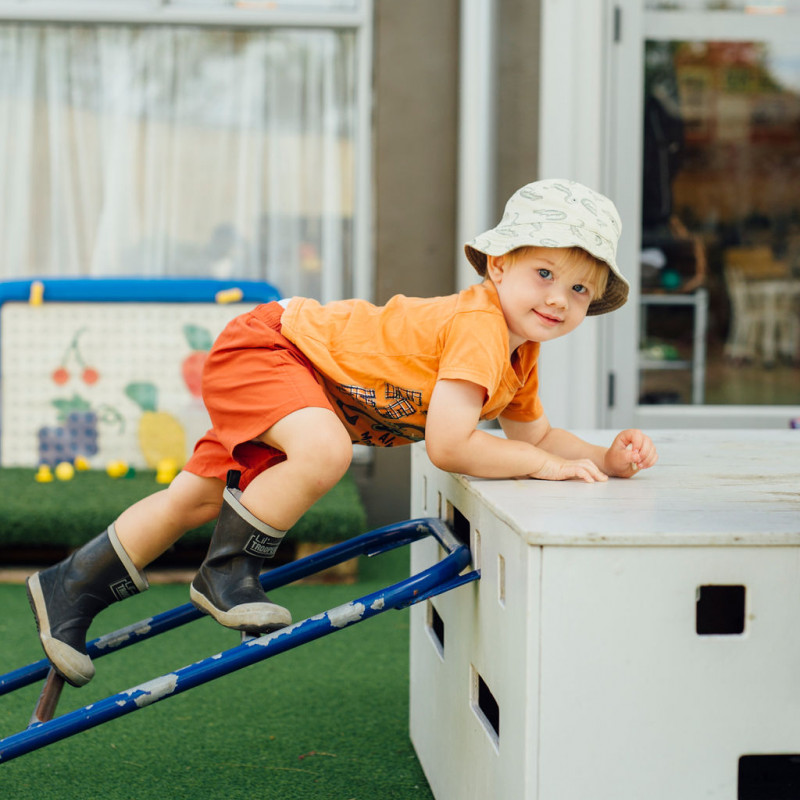

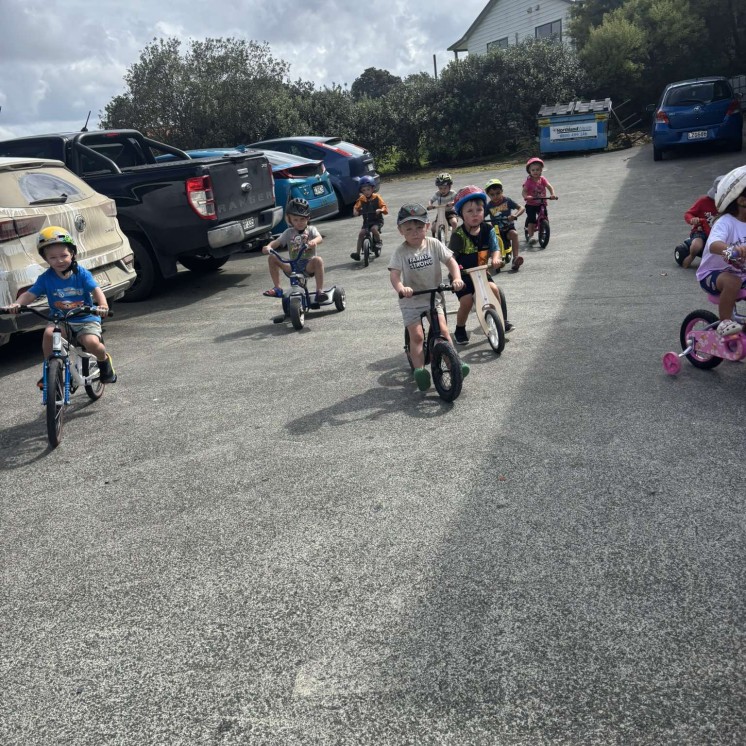
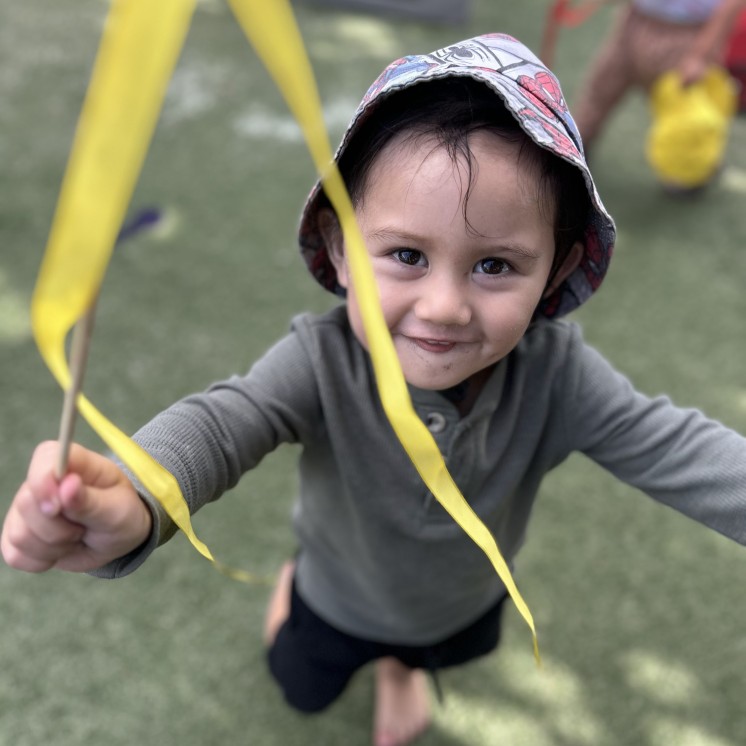
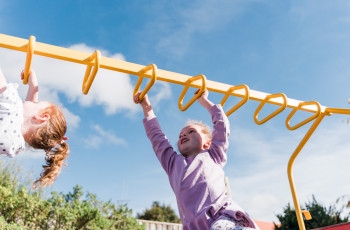
Our MOVE programme deliberately sets out physical activities that give children the opportunity to learn, practice and master physical skills whilst developing their resilience, perseverance, patience, co-ordination, gross-motor skills, teamwork and much more, all while having loads of fun!
The latest buzz
Show all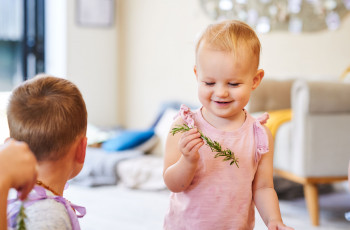

Testimonials