

Hit enter to search or ESC to close



From the very first breath, a child's brain is hard at work. The early years are the blueprint years for brain development in early childhood, when the foundations for learning, behaviour, and health are set in place. By the time a child blows out five birthday candles, their brain has already reached about 90% of its adult size, so what happens in those first five years matters for a lifetime.
How the brain grows so quickly
At birth, a baby's brain is only about a quarter of the size of an adult brain. Within the first year, it doubles. By age three, it's about 80% grown, and by age five, the brain's structure is nearly fully formed. This growth is fuelled not by new brain cells but by the connections between them. Babies are born with most of the neurons they'll ever have.
During this period, the brain is forming over a million neural connections per second. These connections are what allow children to move, think, speak, and form relationships. At first, the brain produces an overabundance of these pathways (a process called synaptogenesis). Then, through a natural process known as pruning, it trims away unused connections, making the brain more efficient.
Another key process, myelination, coats nerve fibres in a protective sheath, speeding up communication between brain cells. This is why toddlers suddenly become faster, more coordinated, and more capable of complex thinking as they grow.
Critical windows of opportunity
Not all brain development happens on the same timetable. Different areas mature at different rates, and brain development stages in early childhood mean some skills are best learned during short, highly sensitive windows known as critical periods.
For example, exposure to language in the first few years builds the foundation for lifelong communication. If children are deprived of language during this period, it may be nearly impossible to catch up later. Similarly, emotional regulation and social bonding are shaped by interactions in the first years of life.
Researchers describe these years as "windows of opportunity", times when the brain is especially receptive to certain kinds of learning due to its neuroplasticity — its ability to adapt. Missing these windows can have long-lasting consequences.
The power of experience and relationships
While genetics provides the blueprint, a child’s experiences build the house. Babies are born expecting interaction. They coo, smile, and cry as invitations for caregivers to respond. When parents and caregivers respond through talking, singing, holding, and playing, they engage in what scientists call serve-and-return interactions. This powerful back-and-forth process builds strong brain connections and supports healthy brain development in early years.
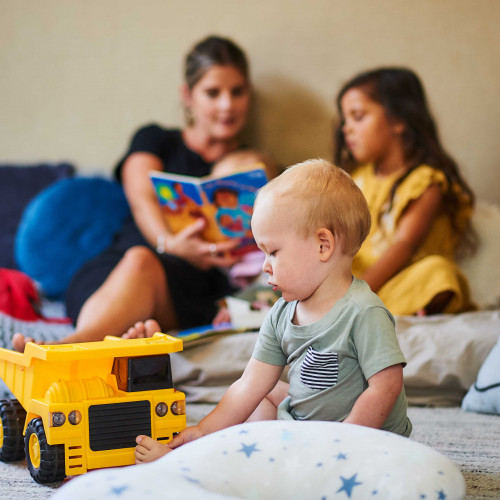
Simple activities matter more than many parents realise. Reading a story, singing nursery rhymes, playing music, or exploring nature together are not just pleasant moments; they are brain-building experiences.
On the flip side, environmental factors such as chronic stress, neglect, trauma, or an unsafe home can disrupt early brain development. Prolonged exposure to toxic stress floods the brain with stress hormones, affecting healthy growth and wiring. That's why nurturing care and safe environments are so essential in these years.
Development across all areas
Supporting healthy brain growth in early childhood underpins progress across all areas of development:
- Cognitive skills: Children build memory, attention, and problem-solving abilities.
- Language: Vocabulary explodes, especially between ages 2 and 5.
- Social and emotional growth: Secure attachments build confidence and empathy.
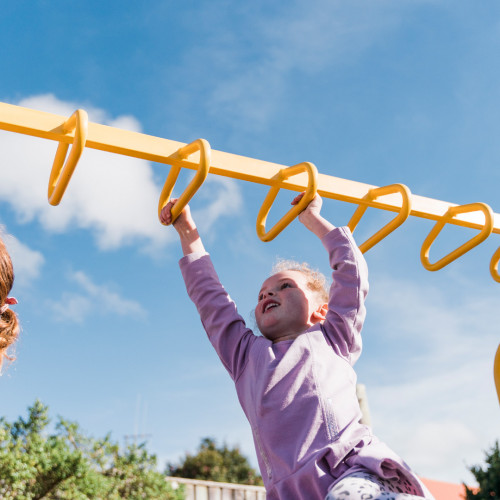
- Physical skills: Both fine motor skills (such as holding a crayon) and gross motor skills (such as running and climbing) develop in tandem with brain changes.
By the time children enter primary school, most can talk, express feelings, interact socially, and think in increasingly complex ways, all thanks to healthy brain development in the early years.
Long-term impact
Research is clear: brain development in the early years shapes a child's lifelong trajectory. Strong early foundations are linked to better school performance, healthier relationships, and greater resilience in the face of challenges. Conversely, early deprivation or adversity increases the risk of struggles with learning, behaviour, mental health, and even long-term physical health.
This doesn't mean parents need to provide "perfect" environments. What children need most are loving, dependable relationships and opportunities to explore the world safely. Programs that support families, provide quality childcare, and reduce stressors for parents make a profound difference in a child's future.
Giving children the best start
The first five years are a once-in-a-lifetime opportunity to shape a child’s future. Every bedtime story, every game of peek-a-boo, every reassuring hug adds a brick to the foundation of lifelong learning and well-being.
So, what does this mean for parents and caregivers? It means that the everyday moments matter more than you think. Talking, reading, singing, playing, and simply being responsive are the most powerful tools you have to support your child’s growing brain.
Embrace this window of opportunity, nurture your child, and you’re investing in their future success, health, and happiness. Reach out to your local Busy Bees Early Education Centre to see how we can help give your child the best start possible.